
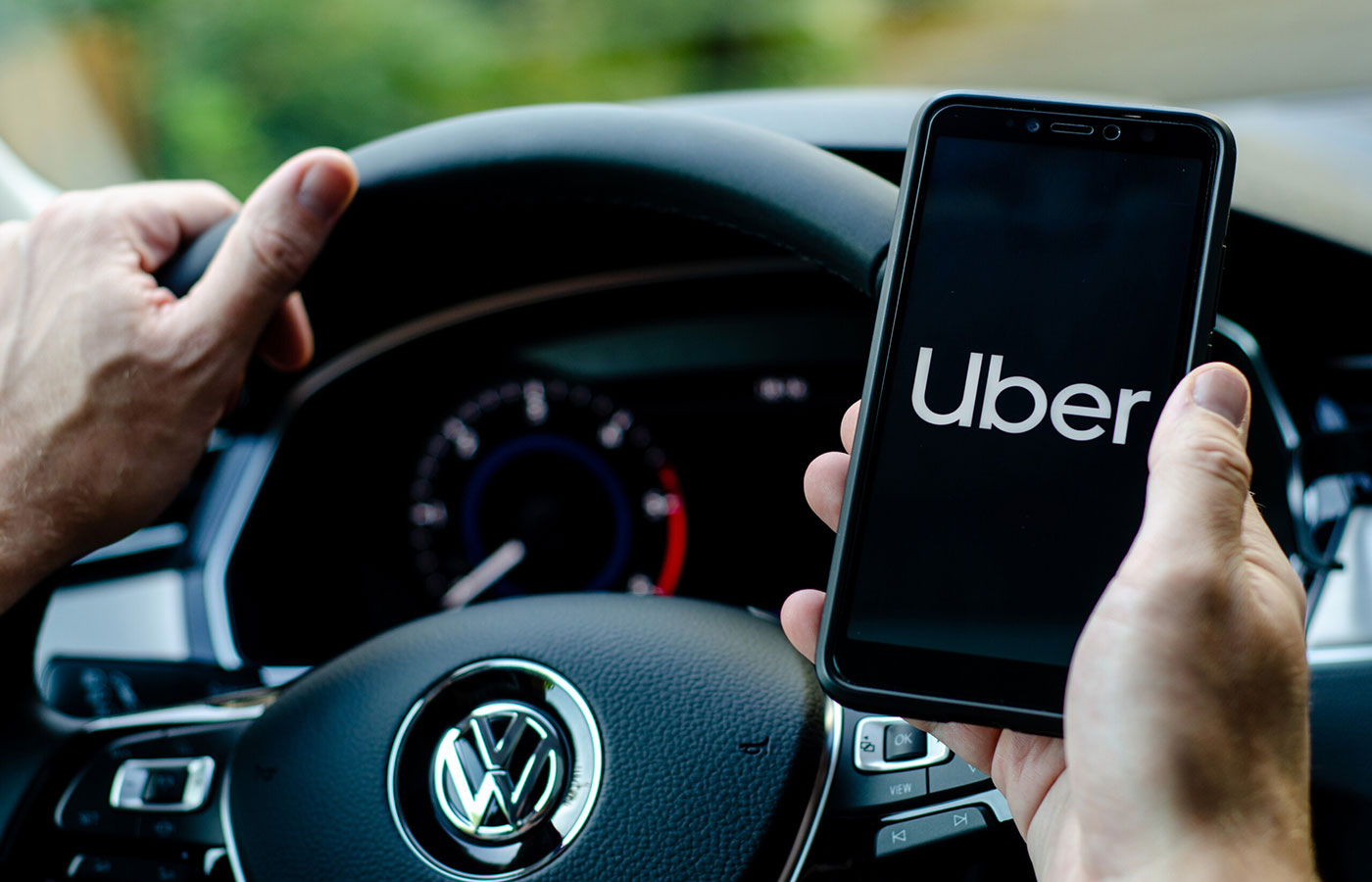
Uber is no longer operational in Thailand, having exited the market in 2018 after selling its Southeast Asia operations to Grab. The ride-hailing landscape in Thailand is now dominated by Grab, which offers diverse transport options and extensive coverage, particularly in urban areas like Bangkok and Phuket. Other alternatives include Bolt, known for competitive pricing, and InDrive, which allows fare negotiations. Traditional transportation methods, such as tuk-tuks and motorcycle taxis, remain popular as well. The alternatives provide safety features and user-friendly experiences, but there's much more to explore about the current ride-hailing scene in Thailand.
Quick Summary
- Uber launched in Thailand in 2014 but sold its Southeast Asia operations to Grab in 2018, ending its presence in the country.
- The regulatory environment in Thailand posed challenges for Uber, including a temporary ban in 2017.
- Grab currently dominates the ride-hailing market in Thailand, holding over 70% of the market share.
- Alternatives to Uber include Bolt and InDrive, which offer competitive pricing and unique features.
- Traditional transportation methods like tuk-tuks and songthaews remain popular among travelers in Thailand.
Uber's Departure From Thailand
Uber's journey in Thailand, marked by ambition and challenges, ultimately culminated in its departure from the market in 2018.
Launched in 2014, Uber initially thrived in Bangkok and expanded to Phuket, but faced significant regulatory challenges. A temporary ban in 2017 highlighted the complex regulatory environment, as the government sought to study the impact of ride-sharing services. Uber launched in Bangkok in 2014, following its US debut in 2011. After its exit, Grab emerged as the dominant ride-sharing app in Thailand, signaling a shift in the Thai ride-sharing landscape. Additionally, the Thai government implemented strict regulations aimed at improving traceability of foreigners, which further complicated Uber's operations.
Simultaneously, Uber dealt with penalties imposed on drivers for non-compliance and fierce competition from traditional taxi services, which fostered ongoing conflicts.
In the end, regulatory pressures and the dominance of Grab led to Uber's decision to sell its Southeast Asia operations to Grab, effectively ending its service in Thailand, consolidating Grab's market power and altering the landscape of ride-hailing in the country.
Alternatives to Uber in Thailand
Exploring transportation options in Thailand reveals a vibrant array of alternatives to the now-defunct Uber service, each catering to varying needs and preferences.
Grab stands out with its extensive coverage and diverse Grab features, including scooters, cars, and assisted transport for disabled passengers, making it a reliable choice for many. Additionally, Grab operates extensively in major cities such as Bangkok, Chiang Mai, and Phuket, which enhances its accessibility, especially after Uber's exit from Southeast Asia. Grab is particularly popular due to its price visibility before booking, allowing passengers to know costs upfront.
Bolt, while more limited in availability, offers competitive Bolt pricing, often cheaper than Grab, though it requires cash payments directly to drivers.
For those seeking unique experiences, InDrive allows fare negotiations, enhancing user flexibility.
Additionally, traditional transport options like songthaews, tuk-tuks, and motorbike taxis provide affordable ways to navigate the bustling streets, ensuring that travelers have ample choices for their journeys across Thailand.
Using Ride-Hailing Apps

Maneuvering Thailand's bustling cities is made considerably easier through the use of ride-hailing apps, which have become essential tools for both locals and tourists alike. Apps like Grab, Bolt, and InDrive are readily available, offering convenient airport pickup services, including Grab's official pick-up point at Suvarnabhumi Airport in Bangkok. Although wait times can be longer due to driver availability, these apps provide an alternative to metered taxis, which are consistently accessible. Users benefit from features such as pre-set pricing, various transport options like scooters or minibuses, and flexible payment methods. Significantly, Grab includes additional app features like assisted transport for disabled passengers and a female driver option, enhancing the overall user experience in Thailand's vibrant transport landscape. Moreover, Grab holds over 70% market share in both ride-hailing and food delivery services, making it a dominant player in the local transportation scene.
Safety and Reliability Considerations
When it comes to traversing Thailand's vibrant transport landscape, safety and reliability are paramount for passengers relying on ride-hailing services. Grab, the market leader, prioritizes driver safety through thorough background checks and daily facial recognition verification. This commitment guarantees that passengers can feel secure during their journeys. Additionally, the app allows users to share trip details with loved ones, enhancing the sense of safety. With a robust rating system for both drivers and passengers, accountability is reinforced, fostering a trustworthy environment. Regarding ride reliability, Grab's extensive driver network in major cities minimizes wait times and provides accurate ride estimates, guaranteeing a dependable transport experience across Thailand's bustling locales. However, ride-hailing services in Phuket can often be more expensive compared to other Asian countries.
Transportation Options for Travelers

With a strong emphasis on safety and reliability in ride-hailing, travelers in Thailand have a variety of transportation options to choose from.
The most popular service, Grab, offers an extensive range of local transportation solutions, including cars, SUVs, and even specialized transport for disabled passengers.

Alternatively, Bolt provides competitive pricing, although it may have fewer drivers in certain areas.
InDrive stands out with its unique feature allowing users to negotiate fares directly with drivers.
Beyond app comparisons, travelers can also opt for traditional taxis, tuk-tuks, or motorcycle taxis for shorter distances and managing heavy traffic.
For those seeking flexibility, renting a car or scooter is a viable option, particularly for longer journeys outside major urban centers.
